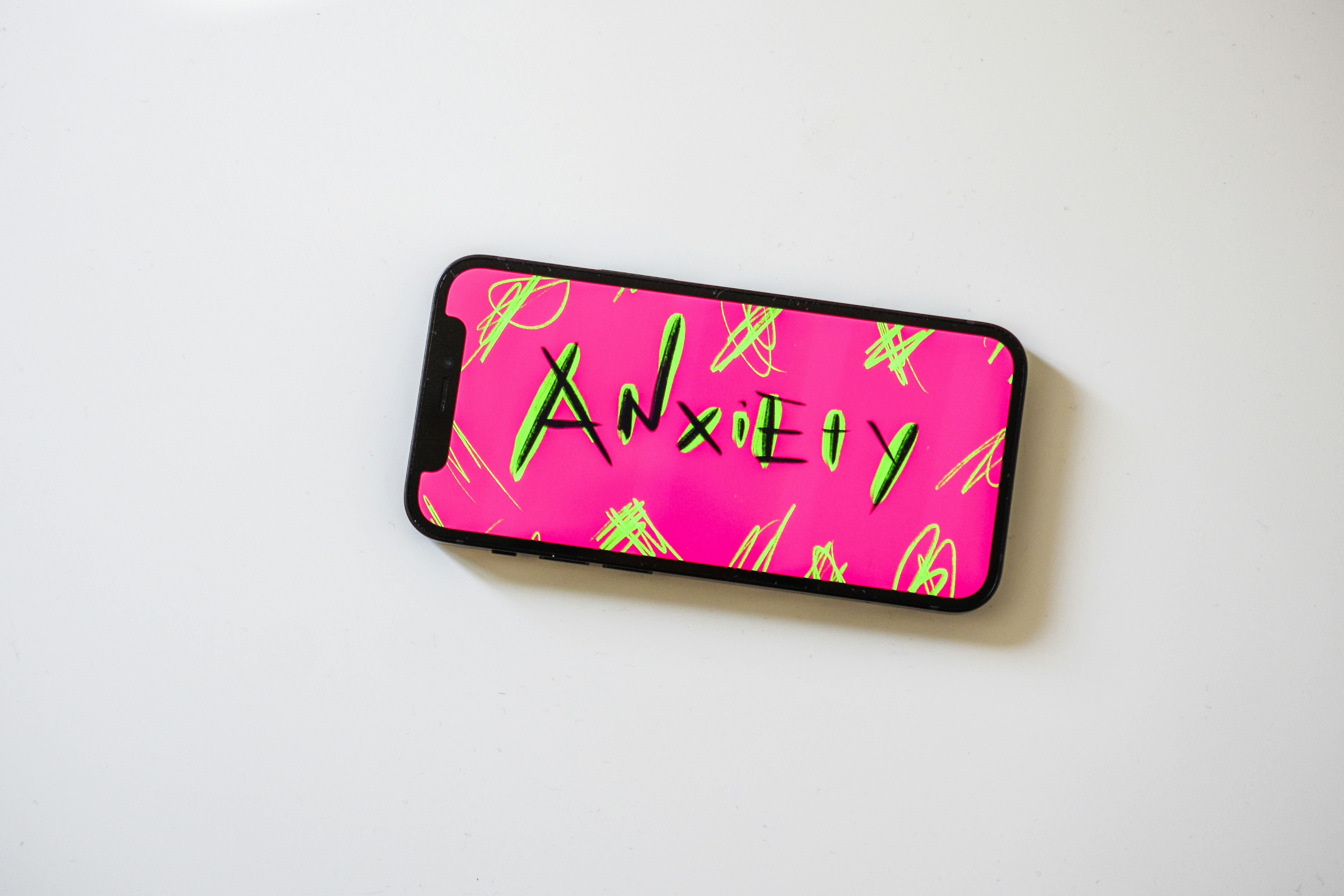
An estimated 10% of the world’s population suffers from an anxiety disorder — and apparently, I’m among them.
My earliest memories of anxiety go back to elementary school. I was often scared of other people, especially gossip, judgment, and embarrassment. Near the end of high school, I finally realized what I had been experiencing was social anxiety disorder, also known as social phobia.
Social anxiety disorder is an intense and persistent fear of being watched, judged, or embarrassed by others in social situations.
Let me share what it felt like for me.
Whenever I was in the classroom, especially if a teacher called on me, I would start sweating intensely. Reading out loud or answering questions in front of the class felt terrifying.
I remember one assignment where we had to pretend to be a character from Greek mythology. I chose Cassandra — the Trojan princess and priestess cursed to utter true prophecies that nobody believed.
We had to stay in character for one full minute in front of the class. Even though it was only a minute, it felt like an eternity to me.
I actually called in sick the day I was supposed to present. Unfortunately for me, my teacher did not let me escape it. When I returned to school, I still had to do the presentation.
At the time, it felt like one of the hardest things imaginable. Luckily, most of my classmates were not paying much attention anyway.
My anxiety showed up in other ways too.
I would often stay in the classroom after class ended because I was afraid to walk past groups of students hanging out in front of the school.
If I saw someone I knew while walking home, I would sometimes cross the street or change direction entirely just to avoid interacting with them.
By high school, things escalated even more.
I started drinking heavily on weekends because alcohol made me feel more confident and relaxed. At the time, I did not realize how harmful that coping mechanism was. Alcohol only masked my anxiety while quietly making it worse underneath.
I previously shared how I ended up in the intensive care unit in Prague because of alcohol intoxication.
Around that same period, I met my false twin flame.
My intense crush on him revealed something painful but important: I was actually afraid of love.
And fear of love can affect nearly every area of life because love is connected to so many beautiful and vulnerable experiences.
I believe that when we fear love, we are often fearing the ego and its defenses instead. The ego convinces us that love is dangerous, even though love is the opposite of fear.
During high school, I also started noticing behaviors in myself that pointed toward obsessive thinking.
For example, in Croatia, American movies are translated with Croatian subtitles displayed in two rows. I would feel uncomfortable if the number of words in the first row did not match the number in the second row. If both lines had five words, everything felt “right.”
I also have a more recent example.
The other day, while walking to work, I passed a drugstore and noticed the opening hours posted on the window. I only managed to read the schedule up to Wednesday before walking past it. Even though I had already continued on my way, I turned around and walked back about twenty steps just to check the rest of the schedule.
And no — that is definitely not a one-time occurrence for my constantly analyzing mind.
Around high school, I also began experiencing debilitating panic attacks.
According to the Mayo Clinic, a panic attack is a sudden episode of intense fear that triggers severe physical reactions, such as a racing heart, shortness of breath, dizziness, or a feeling of losing control.
For me, panic attacks felt like:
- shortness of breath,
- a racing heart,
- emotional numbness,
- a completely blank mind,
- and the terrifying feeling that I was about to go crazy.
I still experience this type of intense panic, especially at work, because I work in a fast-paced retail environment.
I currently work in the stockroom of a fashion store, and there have been days when I genuinely thought I might collapse from overwhelm.
Pressure, multitasking, customer requests, noise, and constant stimulation can sometimes push my nervous system into complete panic.
Well-meaning people often tell me to breathe deeply, think positive thoughts, stay mindful, or take anti-anxiety medication.
While those suggestions may help some people, they often did not help me in the middle of extreme panic. Sometimes advice like that feels better suited for mild stress than for a nervous system already in survival mode.
To this day, I am still learning how to release anxiety and fear little by little.
One thing that has helped me greatly is the mirror exercise I use during coaching sessions.
I also find comfort in frequent confession and the sacrament of the anointing of the sick.
If you experience symptoms like these, it is important to consult a medical professional first. But if my story resonates with you, I also offer coaching sessions where I teach the mirror exercise that has helped me personally.
With love,
Marta
Leave a Reply